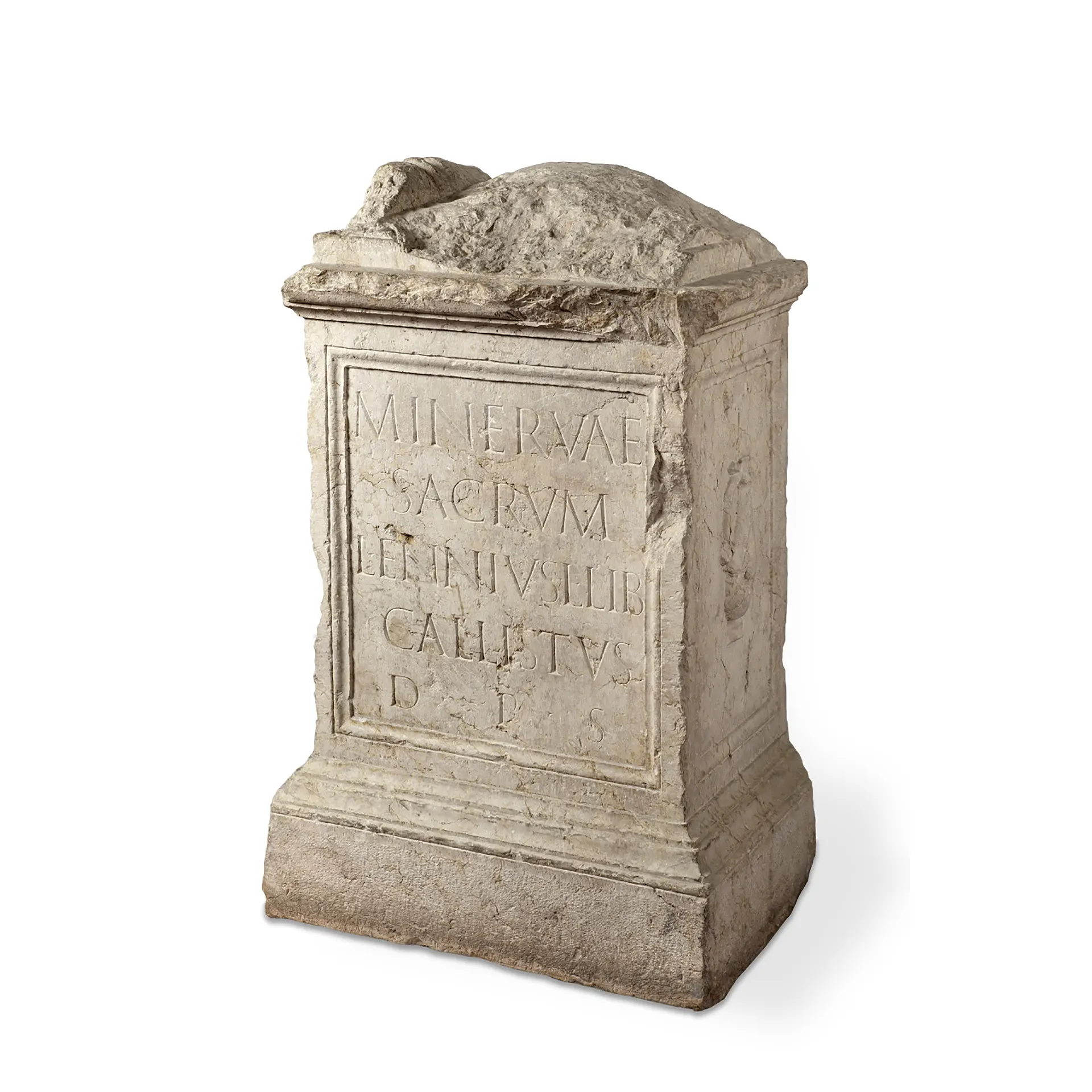
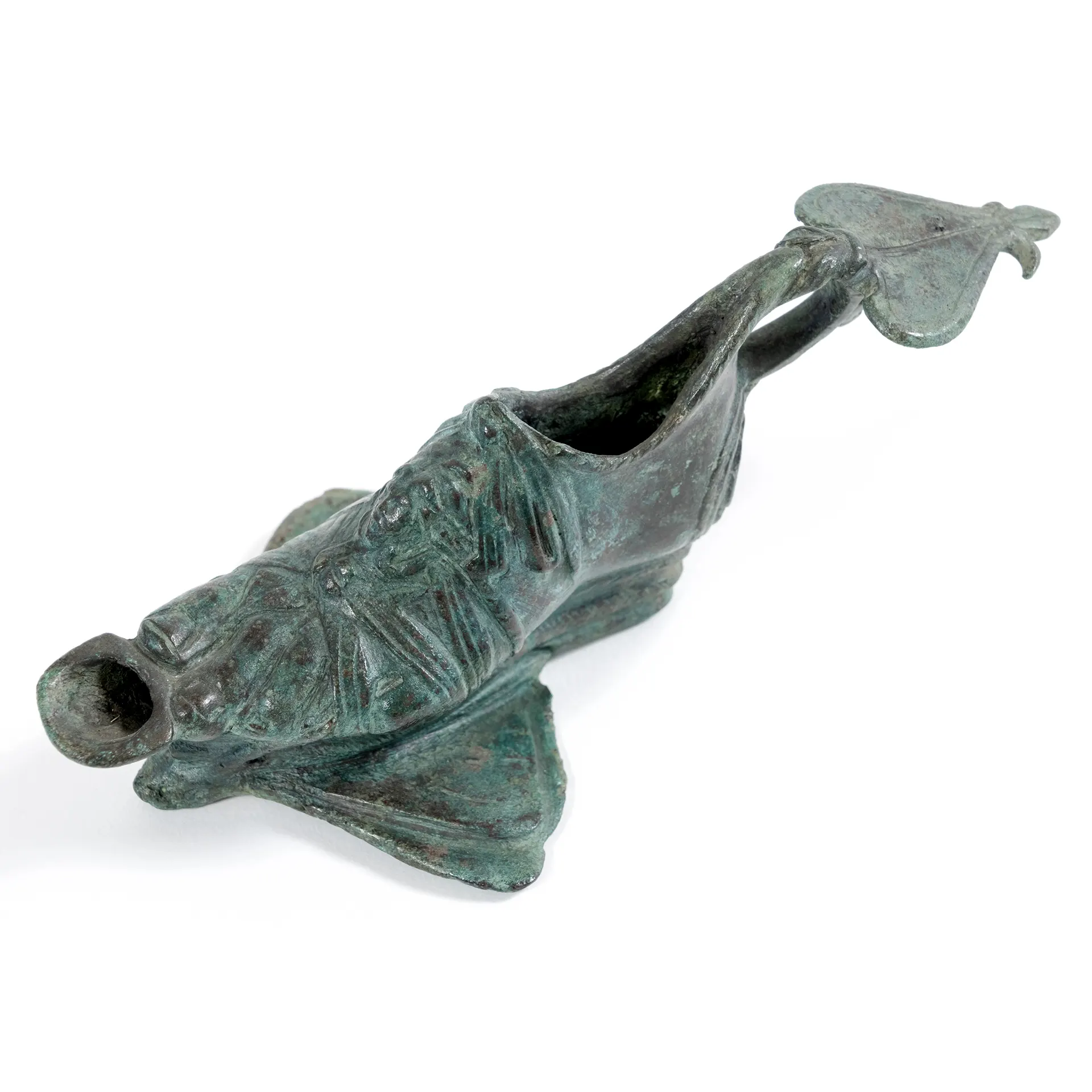
Description
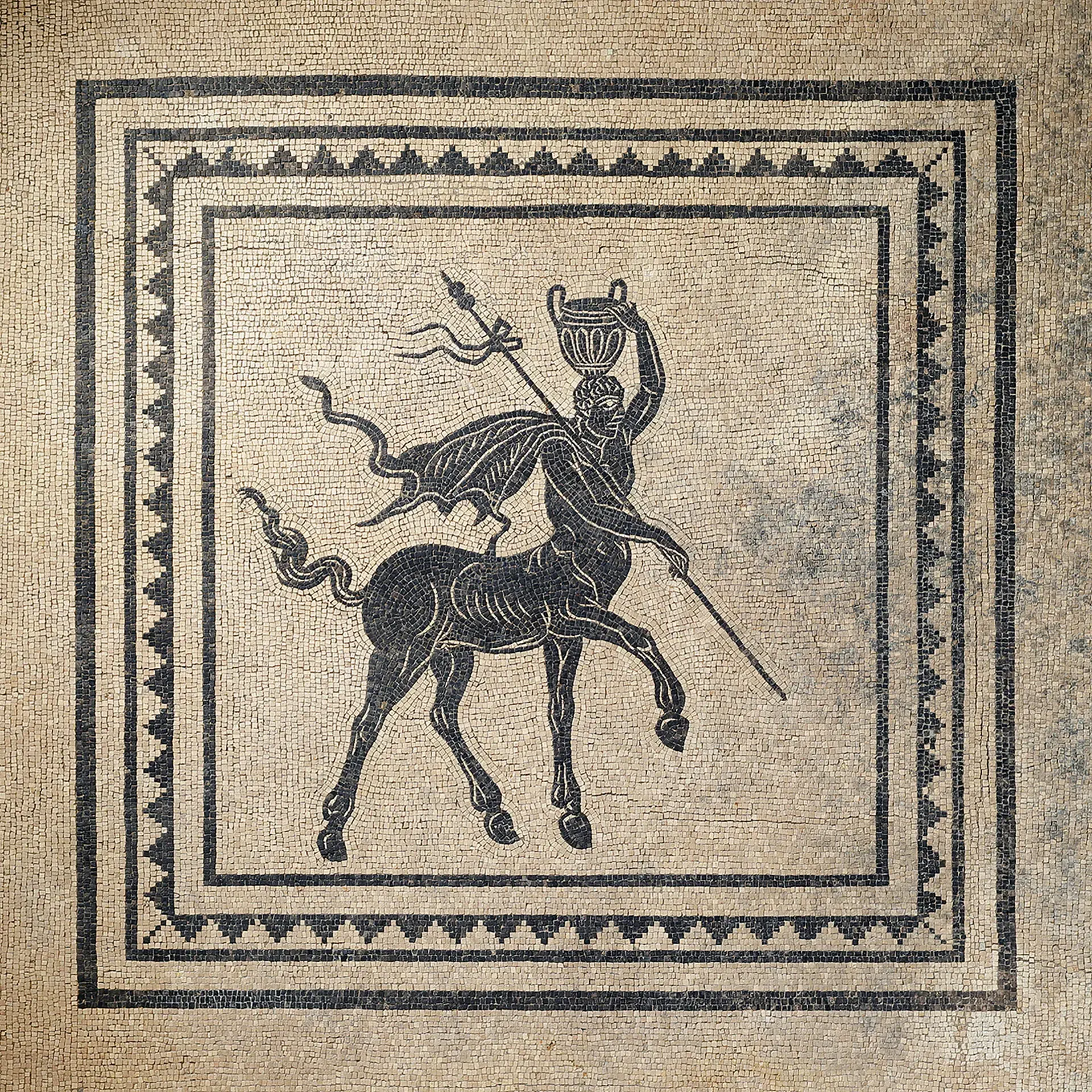
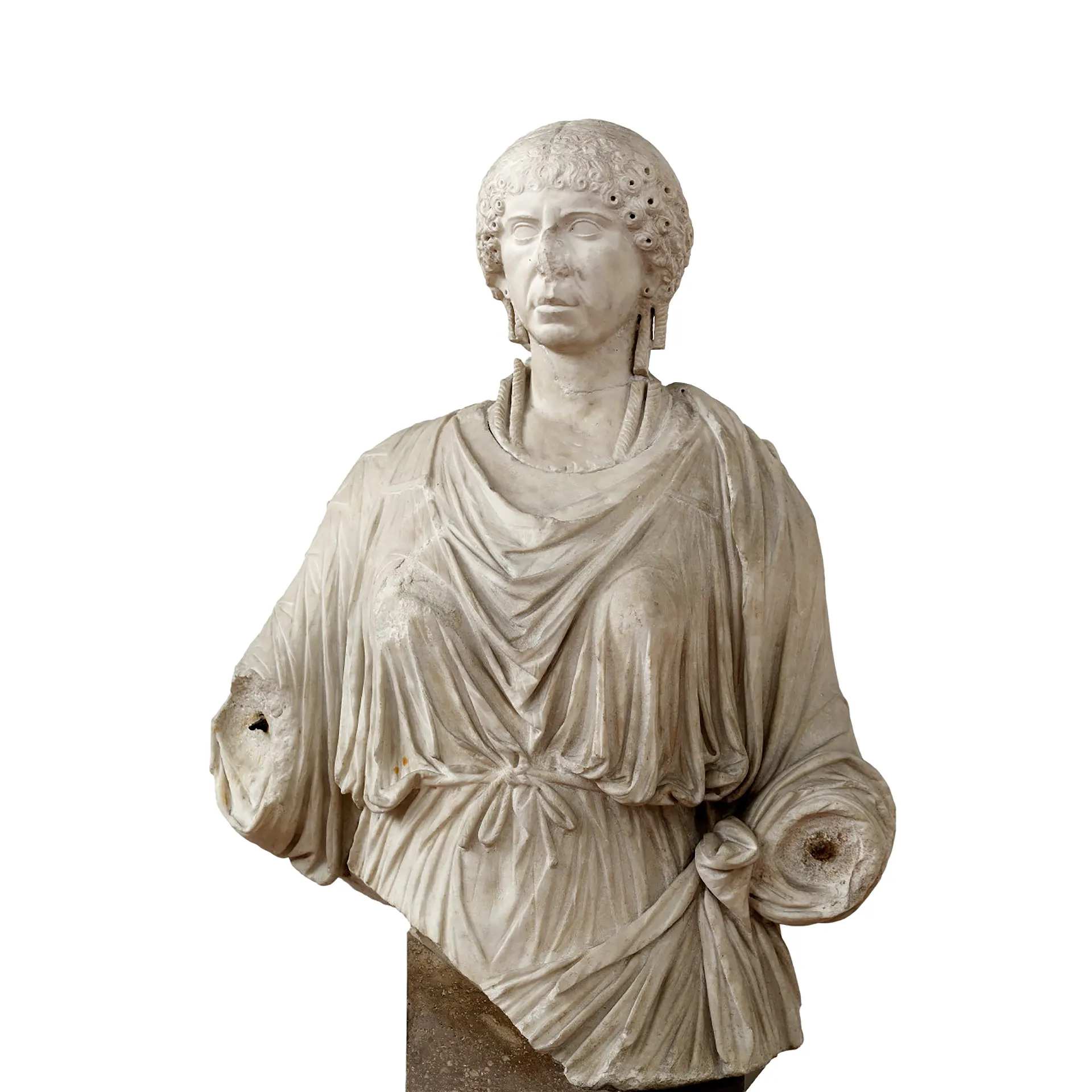
Little is known about the city in the Republican era, but it is likely that the Capitolium already existed in the forum area by the 2nd century BC. Under Augustus, during the 1st century AD, Parma experienced a period of great renewal: the areas that tended to become marshy were reclaimed with thousands of amphorae, the brick aqueduct and sewer system were built, the Capitolium and the walls were built (or rebuilt), the theatre and, probably, a brick bridge over the stream were constructed, the gates were monumentalised and the streets inside the city were paved. Also in the 2nd century, large public buildings were built or restored, including the thermal baths in the area of the Court and perhaps others in the forum area (where the mosaic with a centaur comes from).
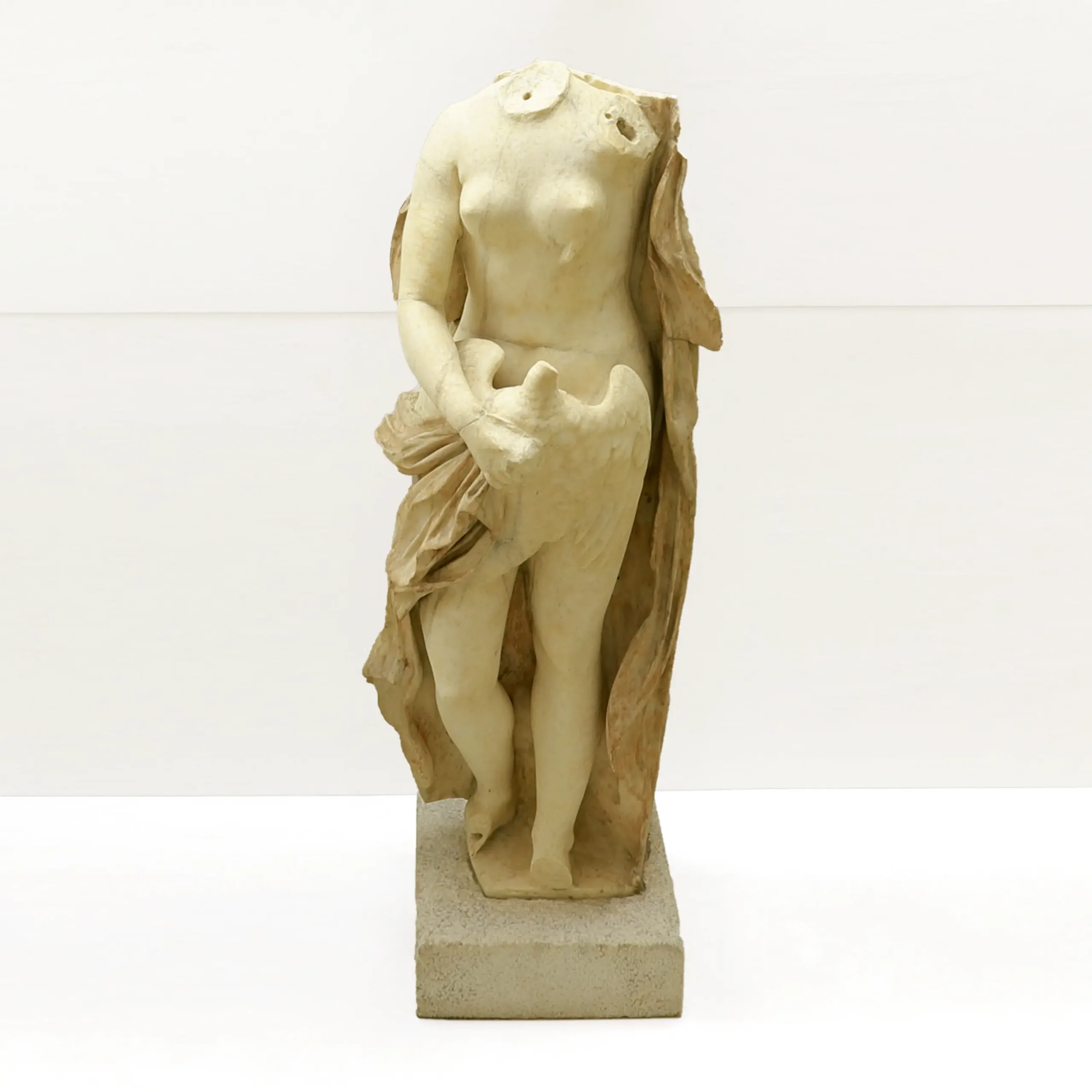
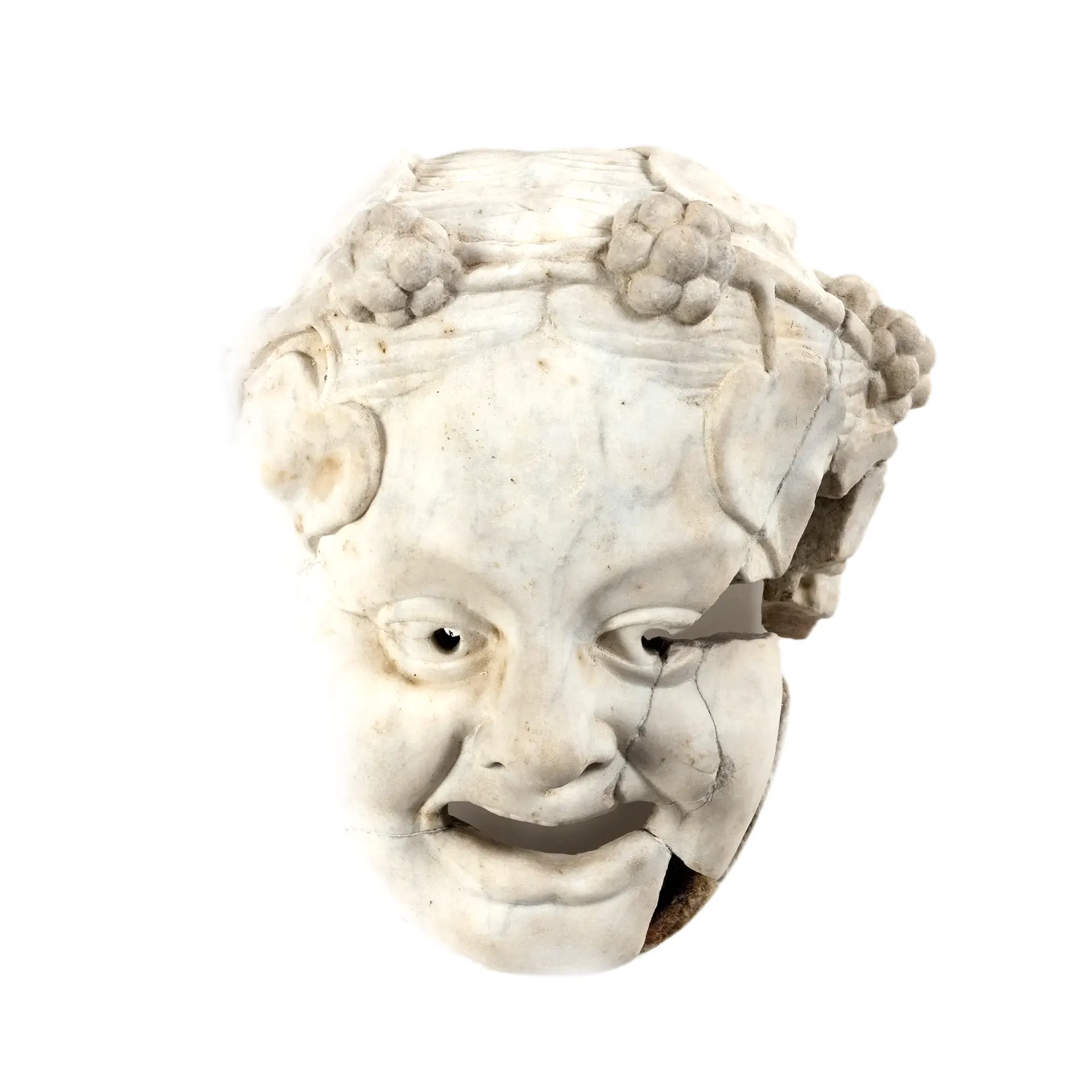
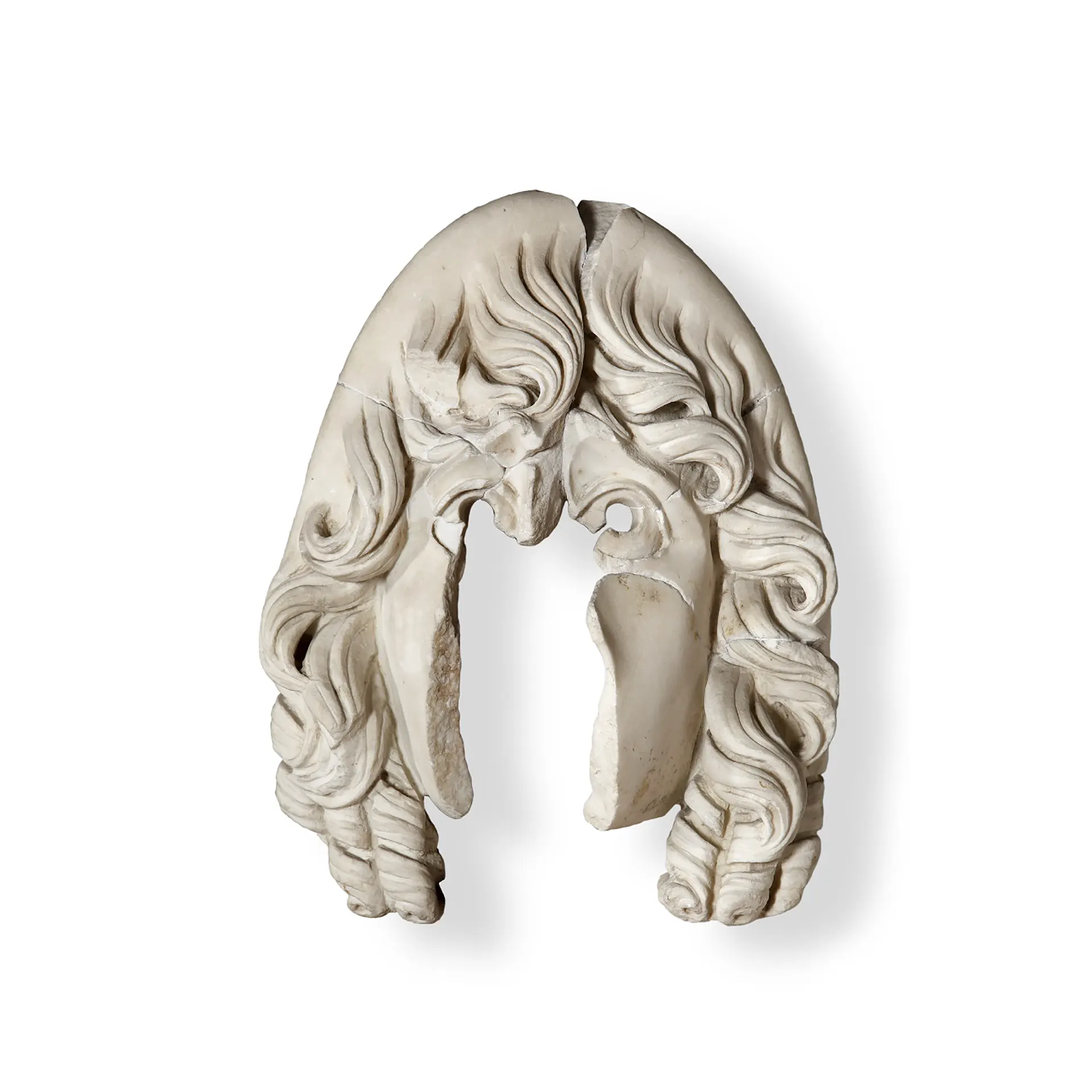
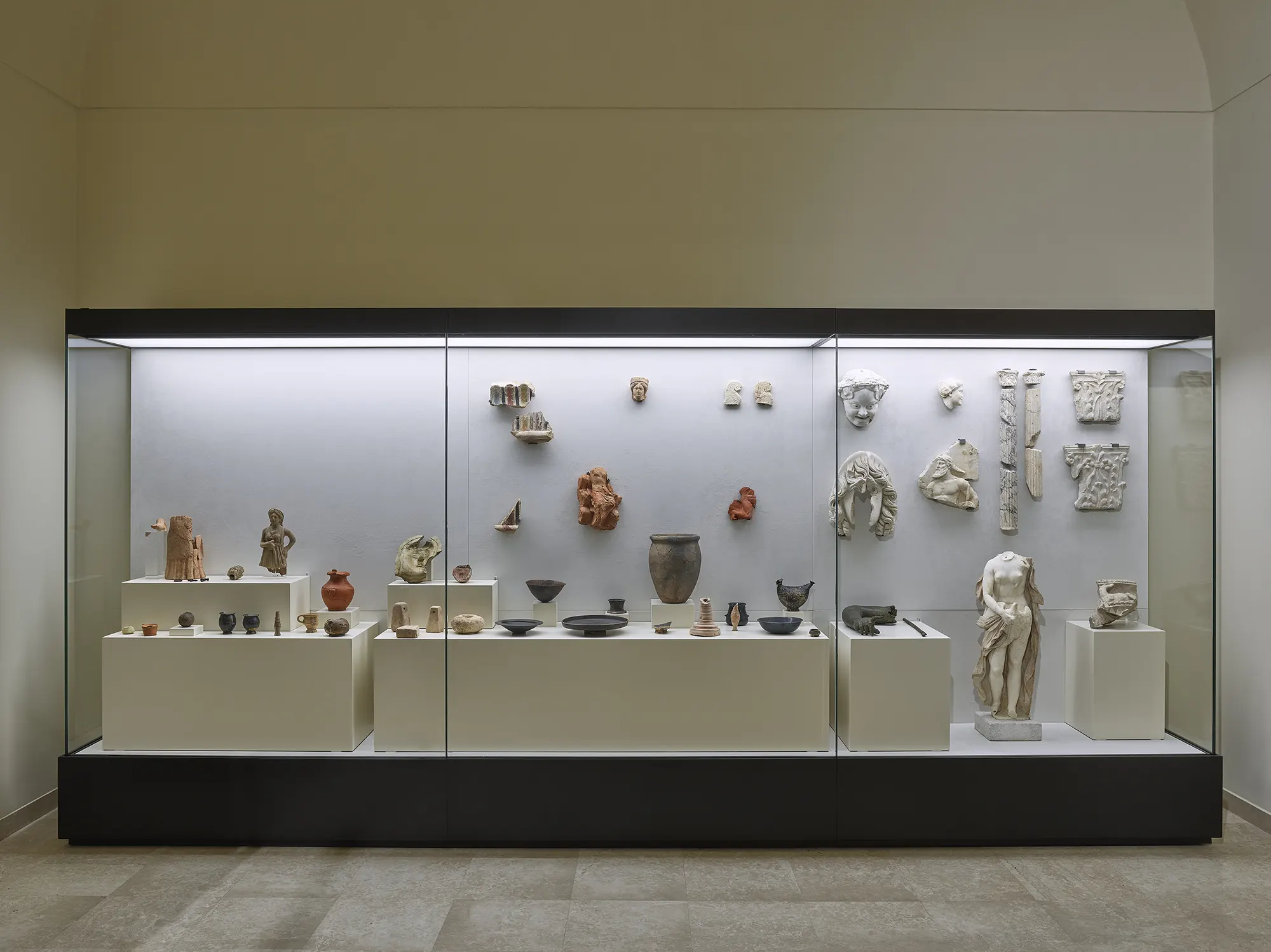
Instead, clay statuettes depicting a goddess or an offerer and other finds dating back to the 3rd/2nd century BC come from places of worship, all found in a sacred area, on the eastern outskirts of the city, perhaps dedicated to female divinities; from the Capitolium the fragments of the terracotta architectural decoration and other votive objects and ceramics associated with them. To the south, still on the edge of the urban area, was located the theatre; the architectural and sculptural decoration, in Lunense marble, is largely from the Augustan-Tiberian age, the era of the great renewal of the city.
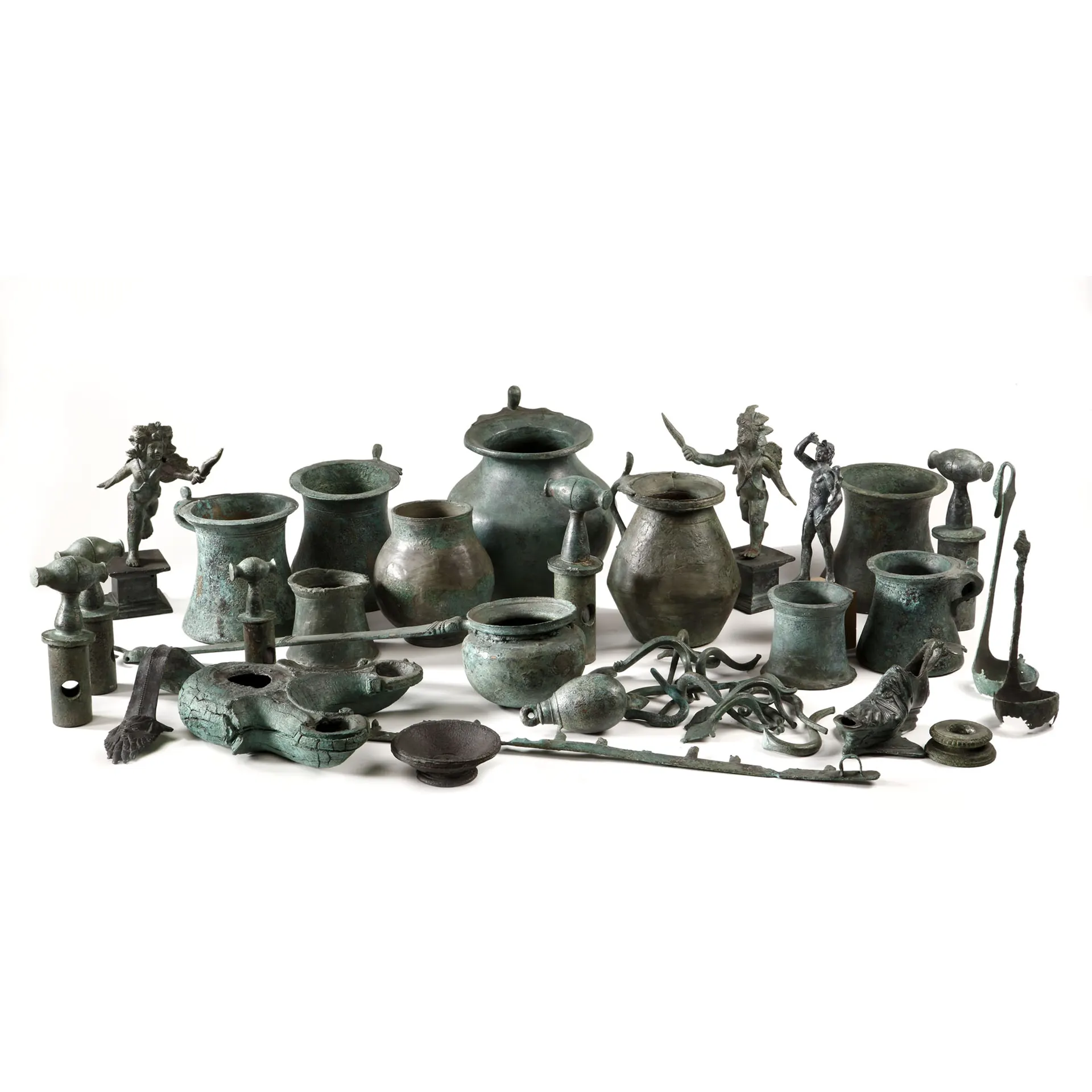
Very particular is the impressive votive deposit formed between the end of the 3rd century BC and the 2nd century AD near a ford on the stream: here were thrown coins and metal objects (bronzes depicting divinities, animals, shells, astragals, rudders, needles, keys, jewels) as an offering of compensation to the river divinity on the occasion of the crossing.
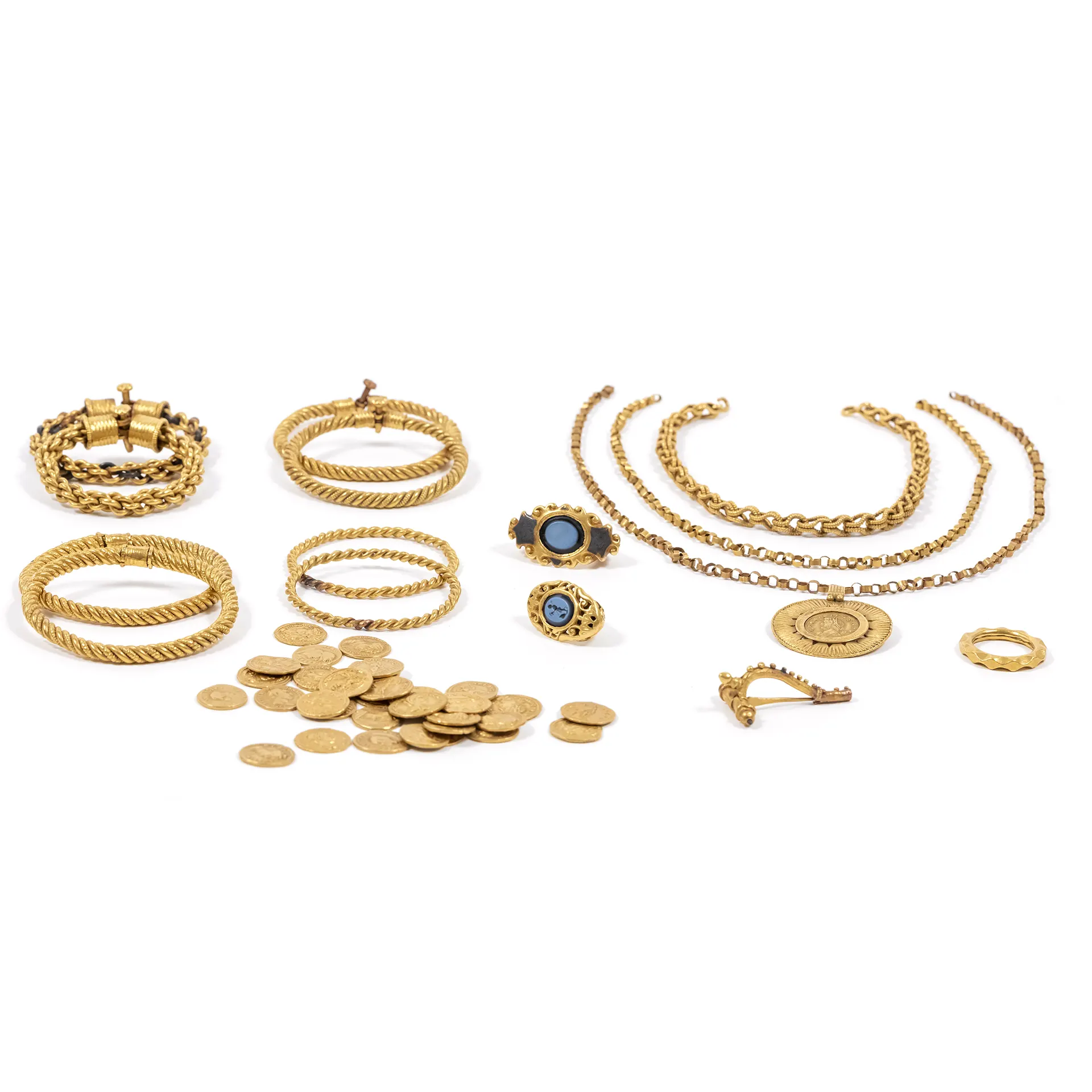
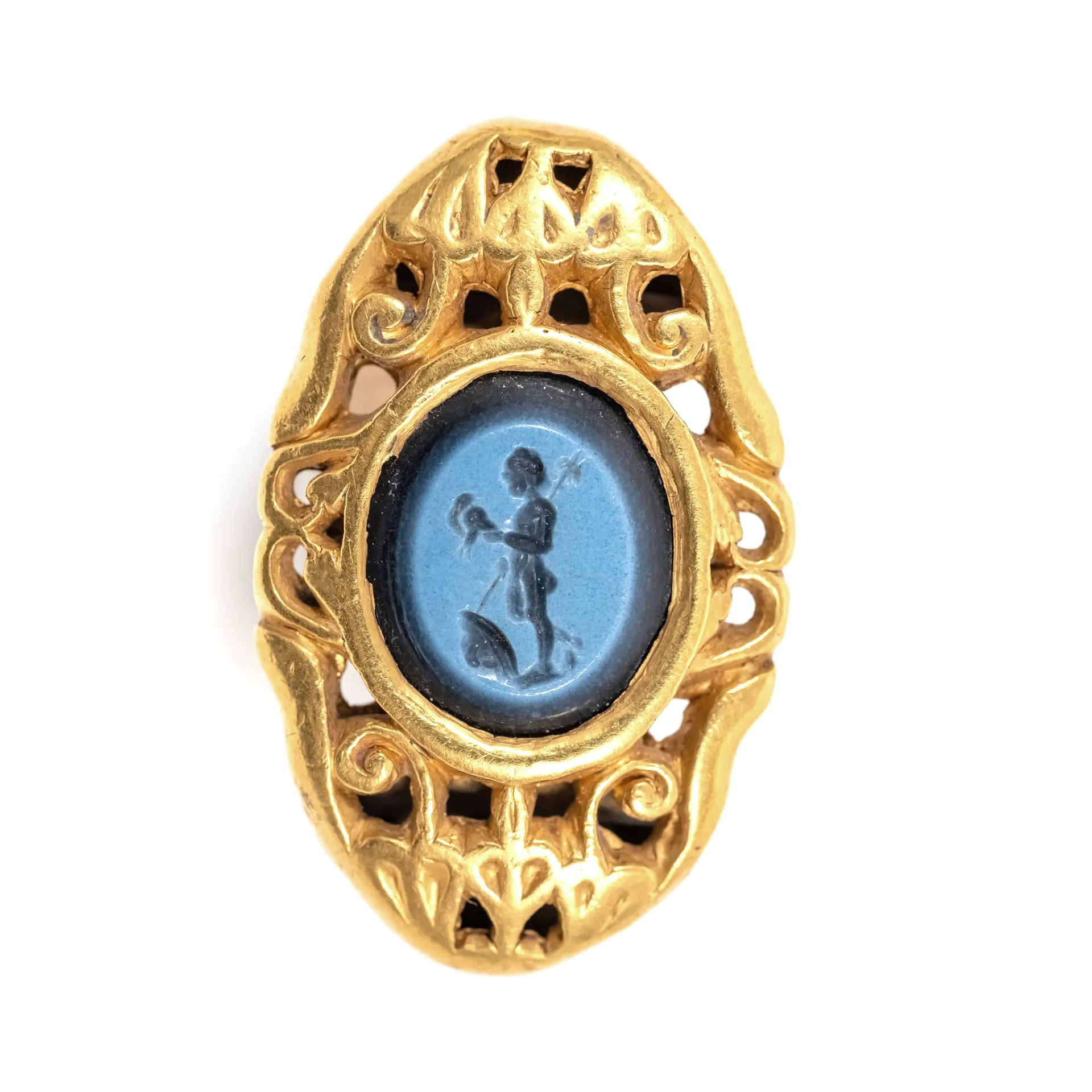
A real treasure was found in 1821 during the construction of the Teatro Regio; consisting of gold coins and jewels, it was probably a gift from a soldier who, frightened by the first barbarian invasions, had hidden it in the second half of the 3rd century AD.
During the 3rd century, the Roman Empire was shaken by economic problems, by the pressure of populations on the northern borders and by military anarchy. In Parma, the walls along the Augustan quadrilateral were rebuilt. The treasures of the Teatro Regio and that of Borgo delle Orsoline, hidden in the 3rd century, are a sign of the uncertainty of the times, but also evidence of the presence of an urban class with good economic capacity and of high-ranking soldiers or officials.
Confirmation of the worsening of the rural situation and the precarious living conditions can be deduced from the abandonment, during the 4th century, of almost all the villas on the plain while in the 4th and 5th centuries only a few settlements in the middle Apennine valleys survived.
Bibliography
Storia di Parma. Parma romana, edited by Domenico Vera, Parma, Monte Università Parma, 2009
Artworks and Collections